1 / 46Use ← → to flip
Introduction to Work Zone Safety
Introduction to roadway work zone safety from the North Dakota Safety Council work zone course.
Slide text
· 37 of 46 slides · by North Dakota Safety Council
The words on each slide as the author wrote them, read from the file by software so they can be searched. Layout, pictures and tables are not shown here: the slides above and the download are the original.
- Slide 1
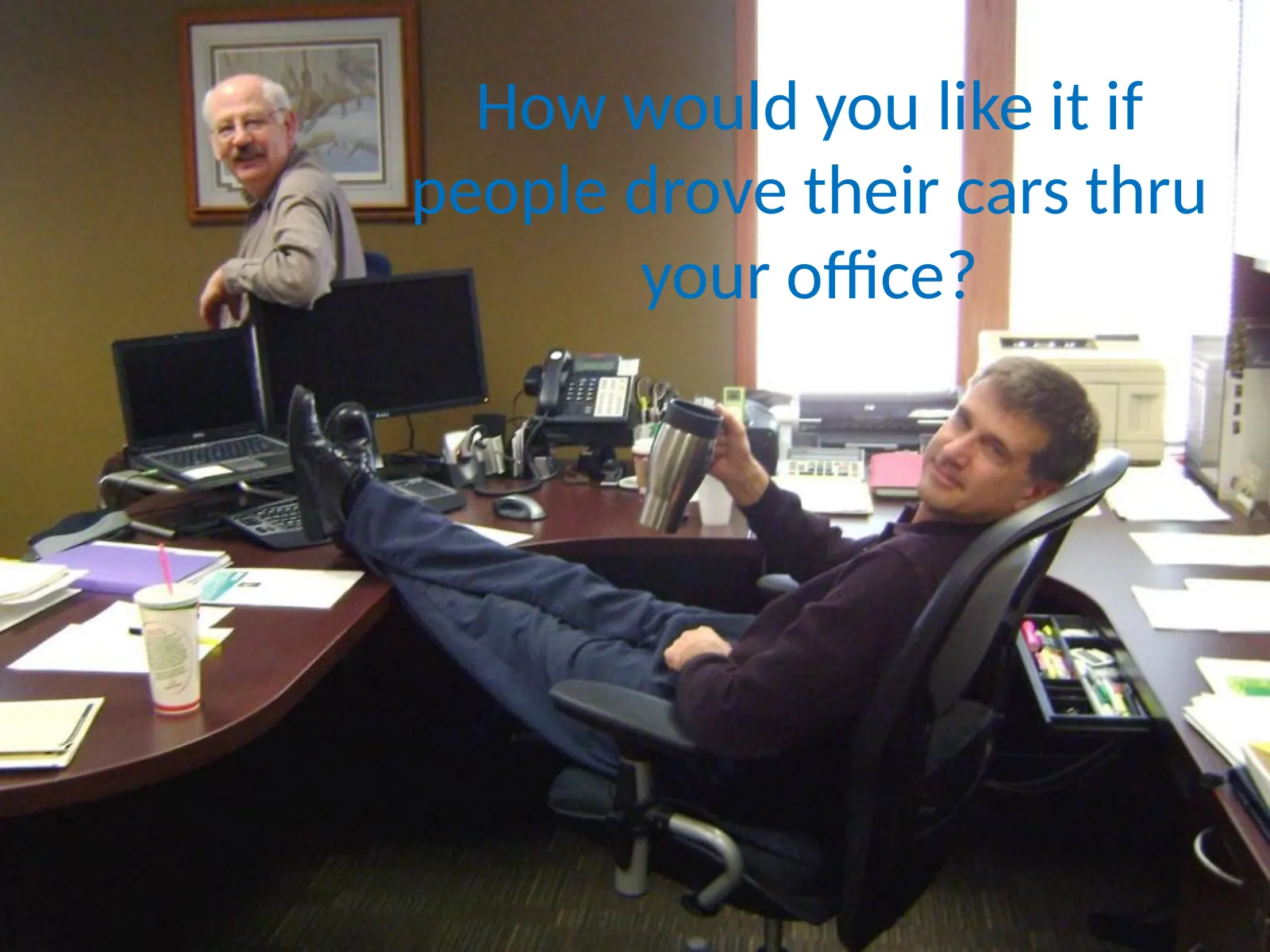
How would you like it if people drove their cars thru your office?
- Slide 2
Work Zone Safety
- More than 40,000 people are injured each year as a result of motor vehicle crashes in work zones
- Slide 3
How serious is the WZ Problem?
- 835 fatalities
- $4.4 billion Annual Cost
- 75 workers killed by vehicles/equipment
- 2007 Statistics
- Slide 4
How is Motorist Crash Risk Affected?
- Slide 5
Drowsy Driving in Work Zones
- Slide 6
Drunk Driving in Work Zones
- Slide 7
Highway Equipment Related Fatalities
- Passengers
- 8%
- Workers on Foot
- 57%
- Operators
- 35%
- Source: Bureau of Labor Statistics
- Slide 8
Highway Worker Fatalities
- Construction Equipment
- 41%
- Other
- 18%
- Vehicle Entering
- Work Area
- Traffic Crash
- 22%
- Source: Bureau of Labor Statistics
- 19%
- Slide 9
Work Zone Safety
- Speed: the number one concern in work zone safety
- Slide 10
Work Zone Safety
- Distracted Driving:
- Reaching/looking for items in the car
- Things, events outside of the car/rubbernecking
- Cell phones
- Adjusting the radio
- Eating
- Grooming
- Children and pets
- Unsafe Condition
- Slide 12
What does WZ Safety mean to the public?
- Slide 13
Work Zone Safety
- As a result of the Public’s Perception…
- …the desired effect of our traffic control sometimes gets compromised.
- Slide 16
What does WZ safety mean to the contractor?
- Slide 19
Safety
- Remember, there is only 1 goal
- You, the motorist, bicyclist and the pedestrian must go home at the end of each work day.
- There are no other acceptable alternatives.
- Slide 21
Traffic Issues
- Sight Distance – Blind Curves
- Need extra signage
- High Speed – High Traffic Volume
- No gaps for merging vehicles
- Stopping traffic is impractical and unsafe
- Tailgating
- Motorists following trucks into work space
- Panic stops
- The motorist NEEDS MORE information
- Slide 22
Work Zone Issues
- Acceleration/Deceleration lanes
- Short or non-existent
- Signage indicating merge/exit points
- Signs give vague information
- Messages left up 24/7
- Flagging operations
- Works best with low traffic and moderate construction trucks
- Low construction truck traffic means intermittent flagging
- Proper rules are forgotten
- Information must be accurate and REAL TIME!
- Slide 24
Work Zone Safety
- Congestion on our roads is growing. Vehicle miles of travel are growing at a rate greater than mile of roadway:
- Between 1982 and 2002, vehicle miles traveled increased by 79 percent, while highway lane miles only increased 3 percent during the same period.
- (U.S. Department of transportation, Federal Highway Administration, Highway
- Statistics 2001, Publication No. FHWA-PL-02-020 Washington, DC , 2001.)
- Slide 25
Internal Work Zone Traffic Control for worker protection
- Traffic cones from Europe
- Not proper use of Jersey Barrier
- Slide 26
Additional Truck Mounted Attenuators
- (as needed for project)
- Slide 27
Additional Message Boards
- Slide 29
Backer Spotter
- Slide 30
Trucks – access and egress
- Slide 31
Additional Law Enforcement
- Slide 32
Making Worker more Visible
- Slide 33
Additional Warnings
- Slide 34
Additional Warnings
- Slide 35
CONES ARE ONLY
- APPROPRIATE AT SHORT
- TERM SITES
- Slide 36
Traffic Control Devices
- Effective
- Changeable message signs
- Arrow panels
- Warning flags and lights on signs
- Effective buffer space
- Trained flaggers and spotters
- Slide 37
Other TCDs & Safety Devices
- Enhanced flagger setups
- Intrusion alarms
- Rumble strips
- Pace or pilot vehicle
- High quality work zone pavement markings and removal of misleading markings
- Reduced channelizing device spacing
- Slide 38
Good TTC Achieves Multiple Goals
- Movement of vehicles, bicycles, pedestrians
- Accommodates transit operations
- Provides access to property and utilities
- Protects workers and work operations
- Allows efficient completion of the work
- Bottom line = reasonably safe & efficient movement of road users while protecting workers & completing work efficiently
- Slide 39
What is an Internal Traffic Control Plan?
- Developed by the contractor
- Coordinates vehicle and equipment movement inside the work zone
- Limits exposure of workers on foot to construction traffic
- Reduce hazards for equipment operators
- Slide 41
“Stage” the Roadway Work Zone
- Advance Warning
- Transition
- Activity – Work space, Buffer space, Traffic space
- Termination
- Slide 42
Work Zone Safety
- Traffic control plan is needed
- Traffic control devices must be used inside the work zone
- First warning should be 4-8 times (in feet) the speed limit (in mph)
- Flaggers and others need high visibility, reflective clothing and training
- Slide 43
Principles of Safe Traffic Control
- Plan for Safety
- Keep if Moving
- Communicate
- Monitor
- Plan for the Worst
- Train
- Slide 44
The Future of Work Zones
- It is possible to reduce work zone accidents
- Goals:
- Indentify and create best practices
- Implement Internal Traffic Control strategies for improved motorist information on destination and delay
- Slide 45
Considerations
- Pre-shift meeting with all involved
- Everyone must know what is happening for the day.
- Slide 46
Work Zone Safety
- However…
- “The owner would not always allow us to place additional safety devices on the job!”
- “We did not get paid for a lot of those extra safety devices!”
More on Vehicles & Equipment
ppt
51 slidesHeavy Equipment
Heavy equipment hazards (struck-by, rollover, blind spots, maintenance) from the WVU oil and gas site-preparation course; applies to any earthmoving site.
West Virginia UniversityArchivedOSHA Harwood grant
pptx
84 slidesMobile Equipment Safety
Mobile equipment safety in work zones: blind spots, backing, spotters and operator checks.
North Dakota Safety CouncilArchivedOSHA Harwood grant
pptx
343 slidesTraffic Control for Construction Workers
Temporary traffic control for workers: signs, channelizing devices, flagging and the parts of a work zone.
North Dakota Safety CouncilArchivedOSHA Harwood grant